Kathy Hochul defies her own party on Trump’s $26 billion school choice bet: ‘I’m not going to leave money on the table’
 Dante Ulanday - News Writer and Moderator
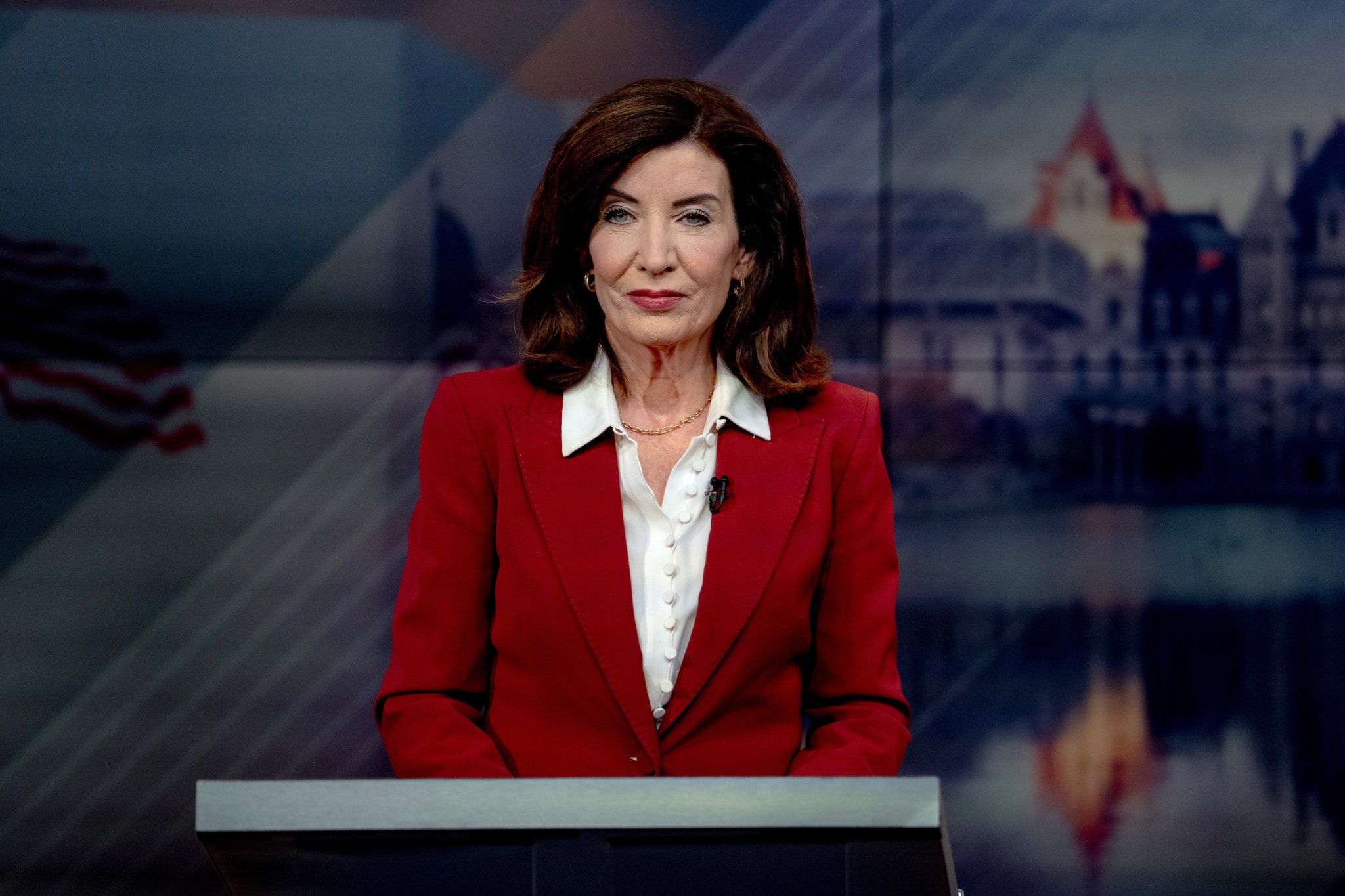
New York Gov. Kathy Hochul has opted the state into the Trump administration’s Education Freedom Tax Credit, breaking with the Democratic leaders of both legislative chambers and making New York the 31st state to sign on to the first nationwide federal school choice program.
Hochul is only the second Democratic governor to join, after Colorado Gov. Jared Polis. “I’m not going to leave money on the table when it could help our kids,” Hochul said in her Oct. 9 announcement, adding that she had been clear New York would participate “if, and only if, all schools and students, including those in our public schools, could benefit.”
The decision came days after Albany’s top Democrats urged her to stay out. “New York should opt out of the federal voucher program and continue investing in the public schools that educate the overwhelming majority of our children,” Assembly Speaker Carl Heastie (D-Bronx) said in a statement.
Senate Majority Leader Andrea Stewart-Cousins (D-Yonkers) warned that the federal rules “would undercut New York’s ability to establish meaningful guardrails, leaving the state with little control over which schools and expenses qualify or how this funding is used.”
The move also lands weeks before Election Day, as Hochul faces Republican nominee Bruce Blakeman, who has criticized her for not opting in sooner.
How the tax credit works
The One Big Beautiful Bill Act, the sweeping tax-and-spending law President Trump signed in July 2025, created the credit. (Fortune has covered what the law changed and its projected $3.4 trillion hit to the national debt.)
Starting Jan. 1, 2027, taxpayers can claim a dollar-for-dollar federal credit of up to $1,700 for cash donations to approved scholarship-granting organizations, or SGOs. Under proposed regulations released Oct. 1, married couples filing jointly are treated as separate taxpayers, so they can claim up to $3,400 combined.
Because the credit reduces federal tax revenue, it doesn’t draw on state budgets. Governors must opt in each year for students in their state to receive scholarships, though taxpayers anywhere can donate to SGOs in participating states.
Who qualifies in New York?
Students are eligible if their household income is no more than 300% of their area’s median gross income. That works out to roughly $309,000 in the Bronx and $510,000 in Westchester County, according to the Manhattan Institute’s City Journal, which estimates more than 2.7 million New York students could qualify.
Scholarships can cover private and religious school tuition. Public school students can use them for expenses such as tutoring, special education services, books, and technology. The Scholarships for All New Yorkers coalition cites a projection from Education Reform Now that the program could generate $1.5 billion a year for New York students if a third of eligible taxpayers participate.
Critics and supporters line up
New York State United Teachers, the state’s largest teachers’ union, called it “President Trump’s private-school voucher program” and had pressed Hochul for weeks to reject it. The union argues that income limits topping $500,000 in parts of the state make it more a tax break for the wealthy than an education program.
“The governor says this won’t take a dollar from public schools, but it takes federal tax money, which belongs to all of us, and hands it to private schools with no rules about who they must admit or how they account for it,” Beatriz Beckford of MomsRising said.
Supporters, including Catholic and Orthodox Jewish school advocates and Democrats for Education Reform, praised the move. The American Legislative Exchange Council, a conservative group of state legislators and private-sector members, cast it as part of a growing bipartisan movement and urged the remaining states to follow.
Nationally, Treasury projects that by 2030 more than 11 million taxpayers could donate nearly $26 billion a year through the program. Other forecasts are far lower: the Joint Committee on Taxation estimates a $25.9 billion revenue cost over a full decade.
Treasury and the IRS are accepting public comments on the proposed rules through Dec. 1, with a public hearing scheduled for Dec. 15. The remaining states have until Jan. 1, 2027, to decide whether to join.
This story was originally featured on Fortune.com