Texas Governor’s Race Could Hinge on Data Center Debate
 Dante Ulanday - News Moderator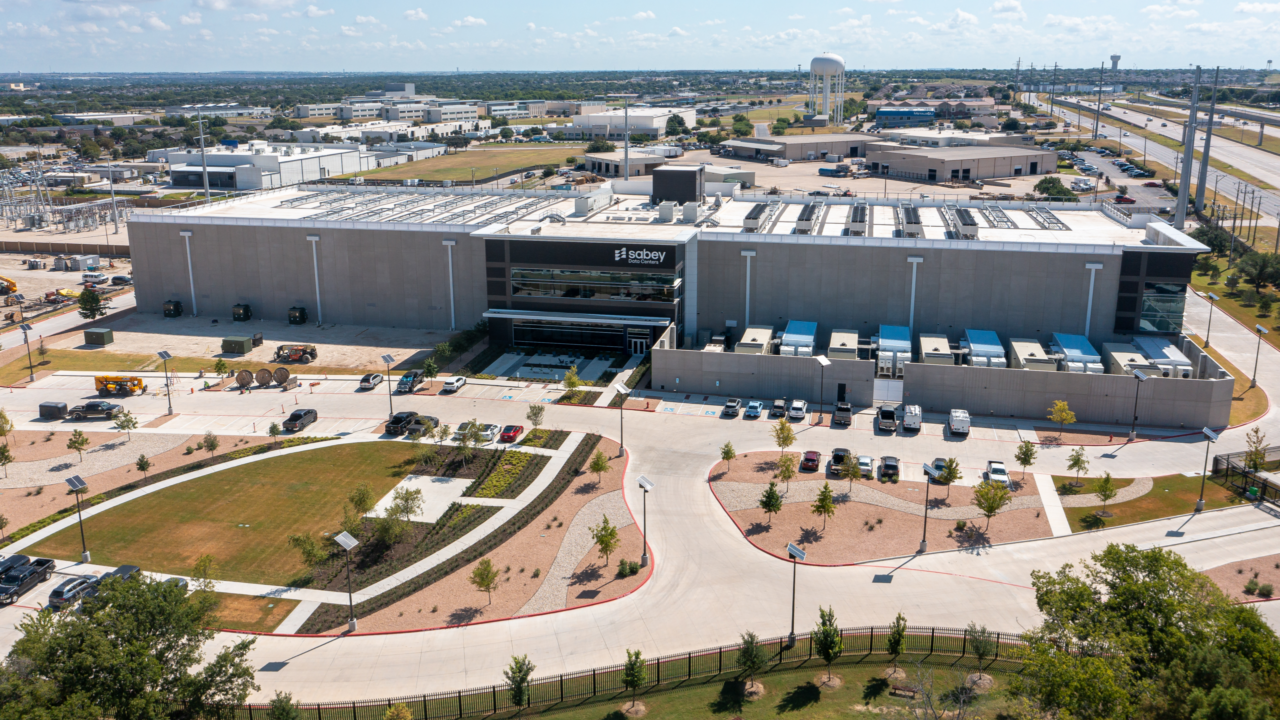
As the Texas gubernatorial race heats up, some say it could come down to the debate over data centers.
In the last year, data centers have become a serious issue in the Lone Star State, with many criticizing how data centers are buying land, using resources, and taking from residents.
Last month, the State Affairs Committee heard testimony from residents and local elected officials who raised concerns about water supplies, noise levels, and electricity demands.
Additionally, Gov. Greg Abbott has ordered state regulators to conduct a comprehensive audit of data centers seeking to connect to the Texas grid, effectively pausing future data center projects until the review is complete.
Under the order, the Electric Reliability Council of Texas and the Public Utility Commission will collect information from each data center project, including whether facilities are paying their own costs, how they plan to supply power, whether they rely on the Electric Reliability Council of Texas for electricity, whether they provide and reuse their own water, and what measures they will take to reduce impacts on neighboring property owners and communities.
Abbott has also pushed for more restrictions on data centers to protect Texas’ power grid.
Abbott’s campaign press secretary, Eduardo Leal, told the Daily Signal that the governor’s “top priority is to protect Texans’ safety and quality of life.”
“He has directed Texas regulators to ensure data centers do not take water needed by communities or power needed by the Texas grid, do not disrupt neighborhoods or rural communities, lower electricity costs for consumers, and pay for their own electricity infrastructure. Any project that fails to meet these standards will be denied connection to the Texas grid. He has also called for eliminating data center sales tax breaks. Simply put, data centers must pay their own way, and Texans must come first,” Leal said.
“Governor Abbott will work with the Texas Legislature to codify these commonsense standards into law,” he added.
Although Abbott has acted on the data center issue, his Democrat challenger, state Rep. Gina Hinojosa, is accusing the governor of causing the problem, noting that he signed laws that gave tax breaks to the data centers.
Hinojosa, who has represented District 49 since 2017, also has a record of voting in favor of tax incentives for data centers during her time in the Texas House.
In her first year in office, Hinojosa voted in favor of House Bill 4038, a bill that changed the definition of a “qualifying job” under the Texas Tax Code Section 151.359, which qualified data centers for the state’s sales-tax exemption program.
While the bill did not create an entire data center tax exemption program, it made it easier for the centers to meet the state’s job-creation requirements for tax incentives.
In 2023, Hinojosa voted in favor of House Bill 3104, which took the 2017 bill further by expanding the state’s sales-tax exemption framework to cover a new type of data-center campus. This included data centers that were part of a framework to cover connected data-center projects, including facilities on separate, noncontiguous parcels. The bill passed the House but never made it out of the Senate.
Hinojosa is now calling for a total pause on data centers and is demanding a special legislative session to write permanent laws surrounding data centers.
On her campaign website, she states that Abbott needs to issue an executive order to put an immediate moratorium on new data centers, writing that “Abbott is the sole person who can fix the mess he made.”
Hinojosa cites House Bill 2712, passed and signed into law in 2015, which created a generous sales-tax exemption for large data center projects.
To qualify, the data centers had to be at least 250,000 square feet, create 40 qualifying jobs, make at least $500 million in capital investment over five years, and contract 20 megawatts of transmission capacity. The law gave qualified data centers an expanded sales-tax exemption for gas and electricity used directly by a certified large data center.
In an interview with AP News, Hinojosa said that if she is elected, she would block a permit for any data center that did not benefit residents or if residents didn’t have a say.
Bret Swanson, director of The Heritage Foundation’s Center for Technology and the Human Person, told the Daily Signal that there are real concerns around data centers, but statewide bans of the facilities could endanger multitrillion-dollar, short-term investments and tens of trillions of dollars in medium-to-long-term economic growth.
Swanson said that instead of banning data centers, state and local authorities should find solutions for the power concerns raised by residents, such as having data centers build their own power plants on site and not draw power from the grid.
“The White House administration actually offered up what was a voluntary pledge, which almost all the AI big data center companies signed onto, which was to basically agree to hold harmless electricity … saying they will agree to in one way or another pay the utility enough so that the utility does not need to raise prices for regular consumers,” Swanson said.
Swanson also addressed residents’ concerns about water usage and not having a voice in the matter.
“I think that’s where the data center companies themselves, and Abbott through various means, should maybe first request that local communities can say that in order for us to approve this data center or zoning, the data center has to bring their own power with them or bring their own water with them,” he said.
“There may be stories where data center firms are not cooperative, but I think, for the most part, they are getting the message that they need to be accommodating and proactive in addressing these concerns.”
Swanson added that Texas residents deserve to have a say in whether data centers get built.
“I believe in local control. Some communities will say ‘yes,’ and some communities will say ‘no,’ and I think that’s probably a good thing,” he said.
Election Day is Nov. 3.
Hinojosa’s campaign did not respond to a request for comment by publication.