Even After SCOTUS Citizenship Ruling, Trump Has These Options to Fight Birth Tourism
 Dante Ulanday - News Moderator
Although the Supreme Court ruled in favor of birthright citizenship last week, the Trump administration and Congress could still take action to reduce the effect of the policy.
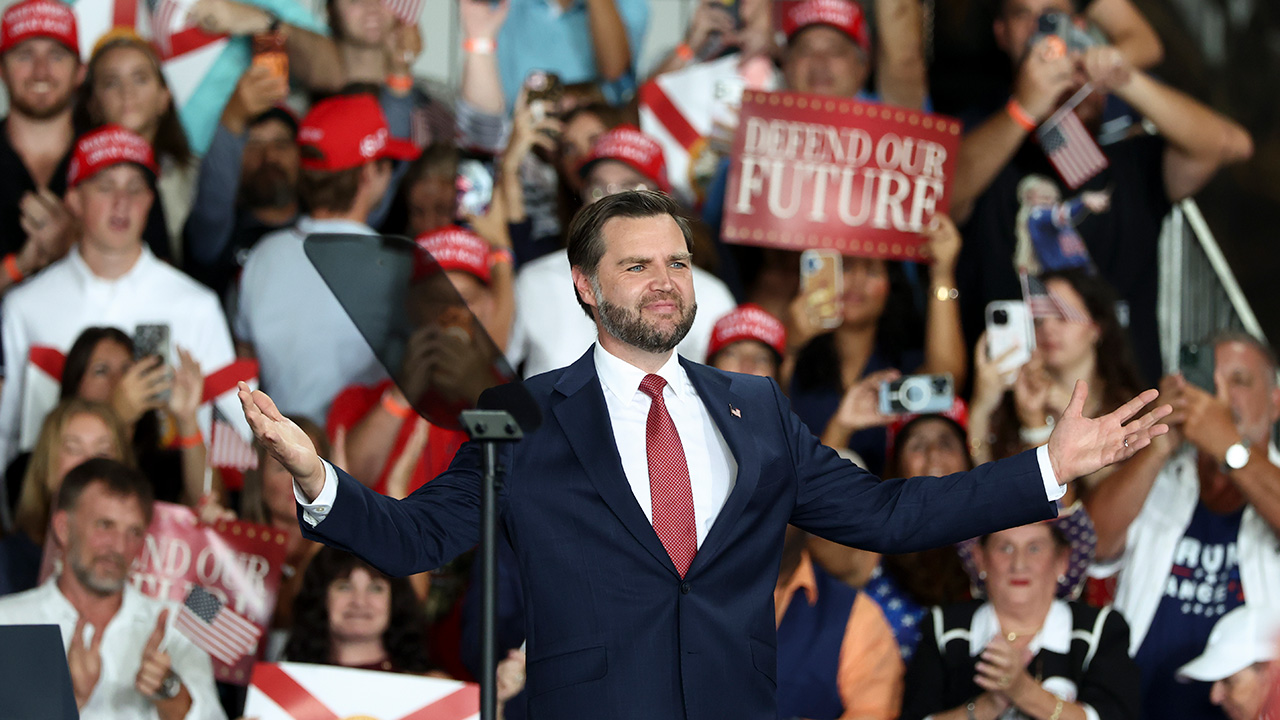
Vice President JD Vance endorsed a proposal to restrict birthright citizenship in the U.S. territories, citing Roger Severino, vice president of economic and domestic policy at The Heritage Foundation. Vance asserted in a Fox News interview with Laura Ingraham that the Trump administration is reviewing ways to close the loopholes in the policy.
 @VP JD VANCE: "BIRTHRIGHT CITIZENSHIP IS A LOOPHOLE."
"It's fundamentally a loophole that now exists in our immigration system that rewards illegal aliens."
"There are a number of things that we're already looking at… to try to close down that loophole." pic.twitter.com/QID0R5KPGz— Laura Ingraham (@IngrahamAngle) June 30, 2026
Severino noted that under the Immigration and Nationality Act, the president also has broad authority to impose penalties on immigrants who engage in “birth tourism,” when a woman who is a citizen of another country travels to the United States to give birth and secure U.S. citizenship for her child. Members of Congress and policy experts have identified the Northern Mariana Islands as a particular concern for Chinese birth tourism.
The case began after President Donald Trump signed an executive order in January 2025 to end birthright citizenship for children born to illegal immigrants or temporary workers.
Severino posted on X that in light of the high court’s 5-4 ruling that struck down the executive order, Trump should amend the order to apply only to U.S. territories.
“Trump should immediately amend his EO to apply to U.S. Territories which are not auto-bound by the 14th Amendment,” Severino said in the post on X after the ruling. “Trump should keep pushing the issue wherever he can and force the court to reckon with the logic of its decision. Will they overrule the insular cases next?”
After Vance supported the idea, Severino outlined other steps the administration could take.
“Specifically, if an alien without legal permanent residency chooses to have a child on U.S. soil, the foreigner parents must either renounce the child’s American citizenship or lose the ability to ever again legally step foot in the U.S., their choice,” wrote Severino, a lawyer and former director of the Office of Civil Rights at the Department of Health and Human Services.
Severino said presidents have broad authority under the Immigration and Nationality Act “to suspend or restrict entry of any class of foreign nationals.”
He said the Trump administration could make someone engaging in birth tourism “permanently ineligible for U.S. entry under any visa type (whether visitor, student, work, or otherwise)” and “permanently ineligible to petition for asylum, refugee, or temporary protected status.”
He also suggested making immigrants engaged in birth tourism “ineligible for lottery or family-based entry, and ineligible to petition for any legal residency or U.S. citizenship whatsoever.”
“Congress, for its part, should codify these changes to prevent any potential future open borders president from unilaterally undoing them. It may also need to create mechanisms for a parent covered by the EO to be able to renounce their child’s American citizenship as an exercise of their parental rights, especially in cases of truly accidental births on U.S. soil,” Severino added.